
Weddings don’t look or feel the way they did a decade ago. Couples now expect more than a standard setup with a microphone, a few speakers, and basic reception lighting. They want the event to be something worth remembering from every angle.
That shift is pushing audio visual design into a bigger role than it used to be. Because of that, AV equipment trends are shaping the modern wedding by changing how couples build atmosphere, share moments, and create a guest experience that feels more immersive from start to finish.
Sound Design Is Getting More Intentional
Wedding audio used to focus solely on coverage. As long as guests could hear the vows, the toast, and the music, the setup felt good enough. Now couples pay closer attention to how sound supports each part of the day.
That change is leading to more thoughtful speaker placement, cleaner wireless microphone use, and better control over volume between spaces. A ceremony needs clarity without feeling harsh, while the cocktail hour often needs a softer touch that still keeps the energy up. At the reception, sounds have to feel strong and full without overpowering conversation at every table.
Many weddings in the future will likely continue moving toward custom audio setups rather than one-size-fits-all coverage. That matters even more when venues have unusual layouts, outdoor areas, or hard surfaces that can create echo. Couples want guests to stay present in the moment, and strong audio design makes that easier.
LED Walls Are Replacing Static Backdrops
Visual design at weddings is also becoming more flexible, which is a reason why LED walls are gaining attention. A printed backdrop can still work, but it can’t shift with the event or respond to the mood in real time. Couples who want a modern look are leaning toward displays that feel more alive.
An LED wall can frame a sweetheart table, support a stage, or transform a dance floor backdrop without taking over the room. It can show subtle motion graphics during dinner, then switch to bold visuals once the party starts. That kind of range gives planners and couples much more control over how the space evolves.
This trend also fits the way people photograph weddings today. Guests take constant pictures, and professional teams capture every major transition. A dynamic visual element can help the room look more polished in person while also improving what shows up on camera.
Lighting Is Becoming Part of the Story
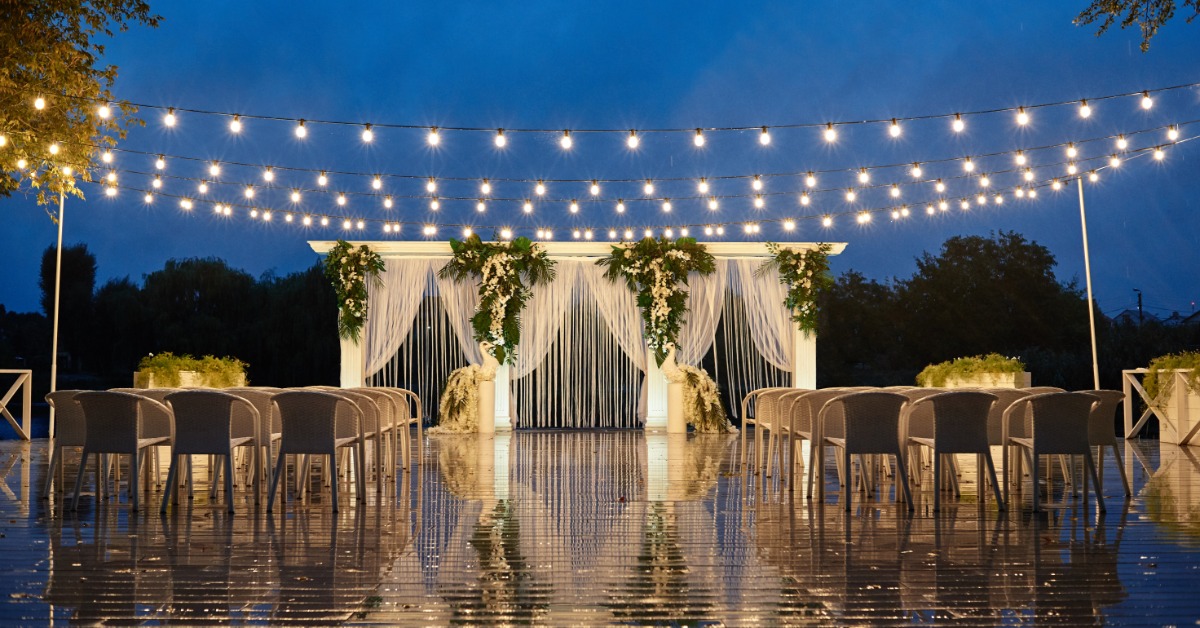
Lighting used to sit in the background until the dance floor opened. Now it often shapes the mood from the first guest arrival to the final song. Couples are thinking about color, timing, and placement much earlier in the planning process.
That shift is driving more interest in layered lighting setups. Soft uplighting can warm up a room during dinner, pin spots can keep floral work from disappearing after sunset, and moving fixtures can energize the reception once the formal moments end. Instead of serving one purpose, lighting now supports the full pace of the event.
Future weddings will likely use lighting in even more deliberate ways. Couples want smooth transitions rather than abrupt changes, so lighting scenes are starting to matter as much as playlists. When the room responds to each phase of the celebration, the event feels more cohesive and less staged.
Clean Setups Matter More Than Ever
Even when couples want more technology at a wedding, they usually don’t want the equipment itself to dominate the look. That’s why clean installations are becoming such an important trend. People want the impact of AV without the clutter that can distract from the decor.
Wireless microphones help reduce visual noise during ceremonies and speeches. Compact fixtures, smarter cable management, and more discreet speaker placement also help teams preserve the aesthetic of the space. The result feels more refined, which matters at weddings where every detail is under a microscope.
This trend that’s currently shaping the future of AV equipment is especially important in venues with a strong built-in style. Historic ballrooms, outdoor tents, and upscale restaurants each come with their own visual identity. AV setups that blend into the environment let couples keep that character while still getting the performance they need.
Flexibility Is Driving Equipment Choices
Many weddings now move through several distinct experiences in one day. Guests might attend an outdoor ceremony, shift into a cocktail area, then move into a reception space with a very different energy. That format makes flexible AV setups much more valuable.
Couples and planners want equipment that can adapt without slowing the timeline. Modular lighting, portable display options, and audio systems designed for multiple zones make it easier to support each stage of the celebration. A setup that can shift with the event creates a smoother guest experience and reduces last-minute stress.
That flexibility also helps with venue limitations. Not every space was designed for modern wedding production, especially when power access, sightlines, or acoustics create challenges. Smart AV planning gives couples more room to use a venue creatively instead of letting technical limits control the day.
Weddings Are Being Built for In-Person Guests and Remote Viewers
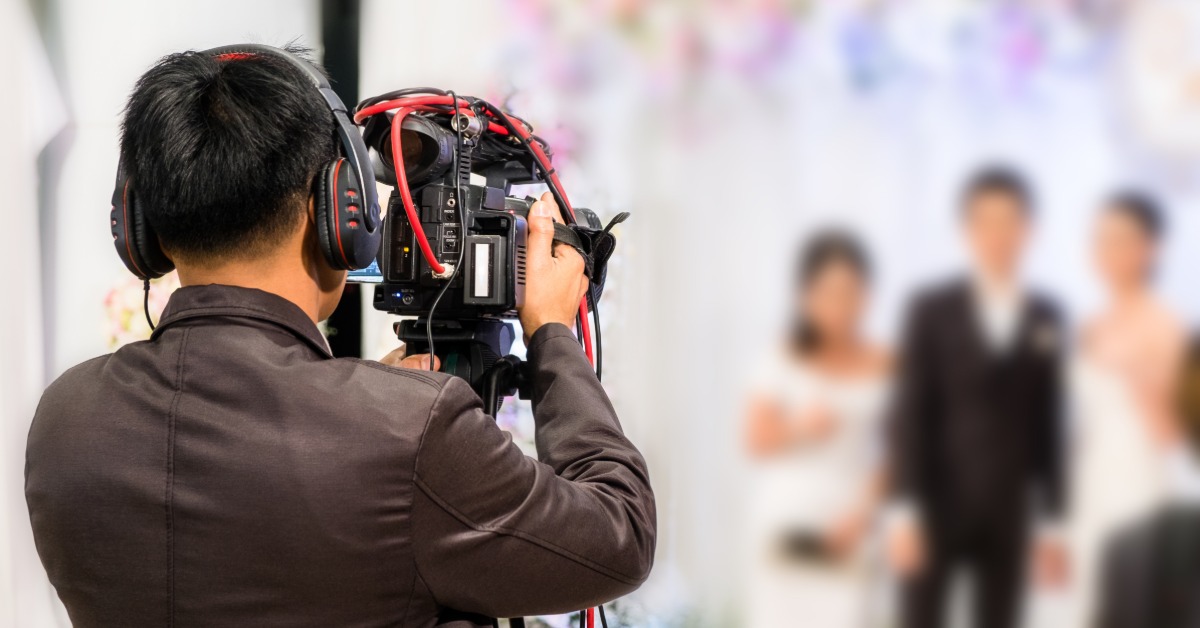
Live streaming became more common out of necessity, but it’s still influencing how some people plan their weddings. Some couples want distant relatives to watch the ceremony, while others want a polished recording they can revisit later. That means AV setups now have to serve the room and the camera at the same time.
This trend affects everything from microphone quality to lighting balance. What sounds acceptable in person may not sound great on a stream, and what looks romantic in a dim room may appear flat on video. Future-focused wedding setups account for both audiences from the beginning rather than treating streaming as an add-on.
It’s also changing expectations around production value. Couples don’t always want a huge broadcast-style setup, but they do want a clean, reliable way to capture meaningful moments. As that demand grows, weddings will continue to borrow more techniques from live event production.
Guest Experience Is Becoming More Immersive
Couples aren’t only asking how the wedding will look. They’re asking how it will feel for the people in the room. That mindset is pushing AV design toward more immersive experiences that keep guests engaged instead of simply observing.
Sometimes that means lighting and sound that build a stronger dance-floor atmosphere. In other cases, it means better ceremony reinforcement so no one misses a word, or visual elements that make a large venue feel more intimate. The common thread is intention: couples want each technical choice to improve the experience rather than just fill space.
That’s why AV trends matter so much for future weddings. The AV equipment rentals no longer sit in the background as a utility. It’s becoming part of how weddings create emotion, shape movement through the day, and turn a celebration into something guests genuinely remember.